




MUSCAT: World Tourism Day, celebrated on September 27 each year, was marked with the official theme 'Digital Agenda and Artificial Intelligence to Redesign Tourism'.
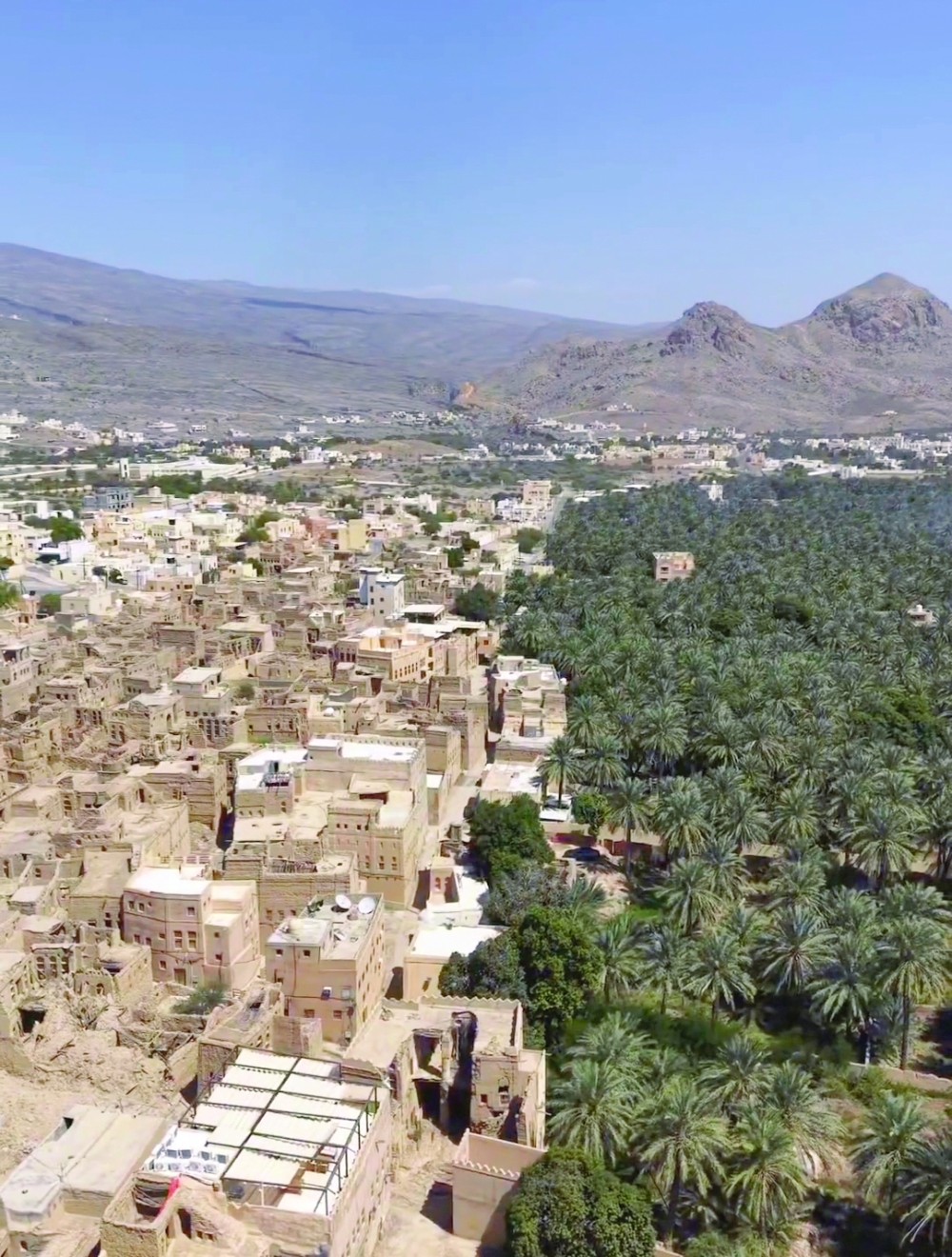
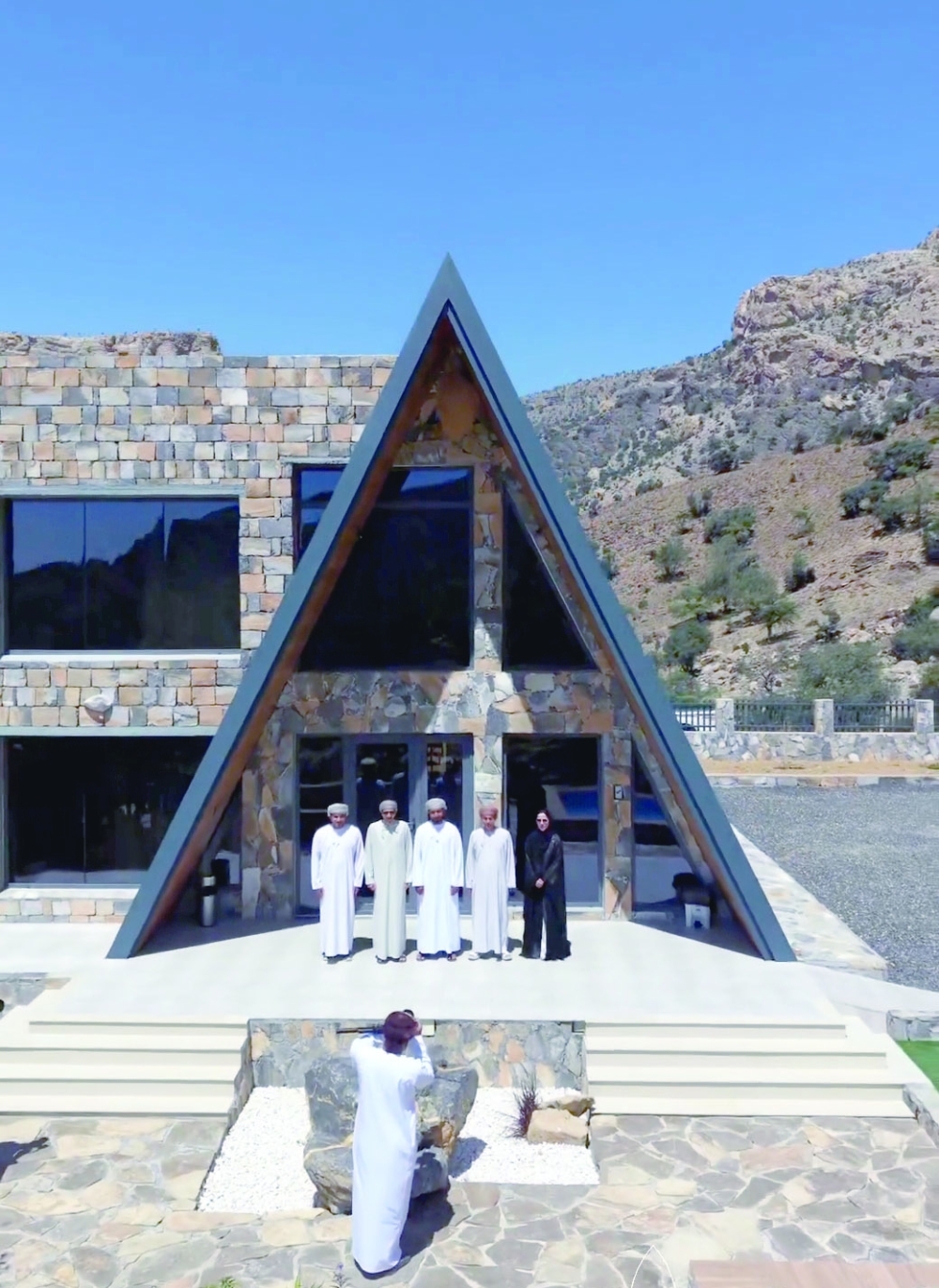
Sayyid Ibrahim bin Said al Busaidi, Minister of Heritage and Tourism, undertook a field tour accompanied by a number of ministry officials, which included Jabal Shams, Al Hamra and Nizwa, during which he reviewed a number of projects and distinctive tourist experiences managed by a group of citizens and met with the local residents and owners of local initiatives, in addition to visiting a number of heritage and archaeological sites. The tour comes as an affirmation of support for Omani initiatives and strengthening the role of local communities in developing authentic and sustainable tourist experiences.
The minister said that the tourism sector represents one of the principal pillars of economic diversification in the Sultanate of Oman, and that the Ministry is working to develop it according to an integrated vision that balances economic growth with the preservation of heritage, Omani identity and culture, the protection of natural resources, and the enhancement of local communities' benefit from the opportunities the sector provides.
He added that World Tourism Day comes this year amid accelerating digital transformations in the tourism industry, explaining that the Ministry's approach is not confined to the use of technology in promotion, but extends to redesigning the tourist's journey from the stage of research, planning and booking through to the visitor's experience, movement and enjoyment of tourism services and products across the various governorates.
The official host country for the celebration of World Tourism Day is El Salvador, and the organiser is UN Tourism, the World Tourism Organisation. The core focus is the significance of technological transformation. The topic explores how artificial intelligence and digital innovations have been redefining how travellers choose destinations, operate businesses, and curate travel experiences.
There is one worry, and that is, can it be inclusive? Inclusion and sustainability are two key areas focusing on leveraging technology to make travel more accessible at the same time ensuring digital progress does not widen inequalities or overlook smaller, developing destinations.
"Progress only counts if it reaches everyone. And so this World Tourism Day, I want us to pause to reflect and to make sure that our sector's transformation is on track," said Shaikha al Nuwais, Secretary-General of UN Tourism, in her message for the day.
Artificial intelligence is increasingly shaping how we travel, how we work, and how we connect. It's an exciting time for both travellers and for the people whose jobs depend on tourism.
"Because I have no doubt that managed well, AI can help us build a more efficient and resilient tourism sector. But I also recognise that we cannot take this for granted. Left unaddressed, these changes risk widening the gap between those shaping the new digital rules and those simply expected to follow them. And yet, too often, the technology behind tourism does not work together," she noted. She pointed out that bookings, payments, and data remain disconnected.
"So today we commit to connecting what's disconnected and to building a tourism sector where technology strengthens and every livelihood touches, and that is the future worth travelling towards," she noted.
Artificial intelligence is reshaping the global tourism industry by making travel more personalised for consumers and far more efficient for operators. Its applications span the entire travel journey, from early research to post-trip feedback.
Most people have, one way or another, attempted smart trip planning.
Tools analyse individual preferences, budgets, and constraints to build tailored, multi-day itineraries in seconds.
Travel platforms utilise machine learning to suggest relevant flights, boutique hotels, or off-the-beaten-path experiences based on historical behaviour and real-time trends.
AI also helps in pricing and management as airlines and hotels adjust prices dynamically in real time based on demand patterns, local event calendars, weather forecasts, and competitor pricing.
Digital assistants have also been handling booking inquiries, flight status updates, cancellation requests, and room service orders instantly without human delay.
Oman Observer is now on the WhatsApp channel. Click here